


17 December 2025
The multicultural, innovation-based model in Singapore helps in the success of students worldwide. But what makes this vibrant and small nation so attractive to international students? The answer is simple. What students will receive isn’t just an education; they will get a system in which diversity meets innovation in helping students succeed.
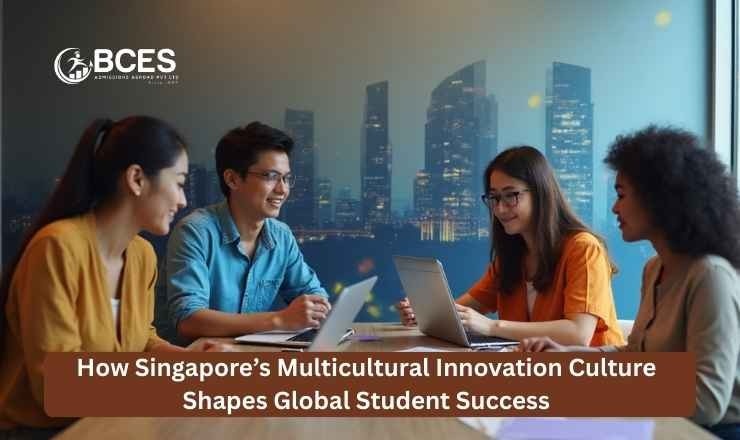
The value of Singapore comes from its exposure to diversity on a daily basis. Being a nation comprising Chinese, Malay, and Indian traditions, with many expatriate communities, the exposure for the students comes from a diverse background of cultures they are exposed to on a daily basis, making them adaptable, sensitive to different cultures, and good communicators, all essential for a global workplace. The institutions of higher learning in Singapore promote team spirit among diverse backgrounds, allowing students to learn from each other and make accomplished, open-minded graduates.
Innovation is part of the very fiber that comprises Singapore’s identity. It is continually being touted as one of the best innovation hubs in the world, and its education infrastructure is a reflection of this. The curriculum is a mix of learning by doing, intensive research, and heavy involvement in the industry. Students are exposed to areas of innovation such as artificial intelligence, fintech, sustainability, and biomedical sciences. The best part is that they are exposed to an innovation-driven community, and this gives them hands-on experience and problem-solving abilities that are in high demand in the global job market.
Education in Singapore is very relevant to its industry requirements too. Curriculum formation takes into account global trends in the workplace so that students emerging from academia are not only knowledgeable but also work-ready. Practical learning sessions like internships, project work, or challenge assignments integrate learning in academia with that in the workplace, making students from Singapore confident in various work settings around the globe. Thus, it helps Singapore be at the forefront in producing work-ready individuals.
Learning happens beyond textbooks. English is the primary language for instruction, facilitating effective communication for international students around the world. Being versed in a variety of languages and cultural variations refines social skills even further. The combination of language skills and knowledge of culture improves leadership abilities and makes international job prospects even better.
A learning environment that is safe and well-structured, and student-centered, is also promising of success. Innovative campuses, reliable transportation, and smart technology enable students to focus solely on learning. The recent policy reforms reflect Singapore’s commitment to smart classrooms, sustainable campuses, and innovation labs, providing access to top-class learning environments.
The most important of these is probably the opportunity to develop one’s global network of connections. Students at universities in Singapore have the opportunity to connect not only with their fellow students but also with faculty, as well as various industry professionals around the world.
Graduates from Singapore have a strong global presence due to their emphasis on globalisation through cultural diversity, learning through experience, and the application of innovative thought to solving problems. Graduates leave Singapore with not only a degree, but also with the ability to be adaptable and adjustable to changes in their environment, innovative and creative in their response to issues, and possess a global view of the future within their respective communities and organisations. It is no wonder that Singapore has become the education destination of choice for many ambitious young people.